Clintons Agree to Testify on Epstein Ties Amidst House Oversight's Contempt Ultimatum
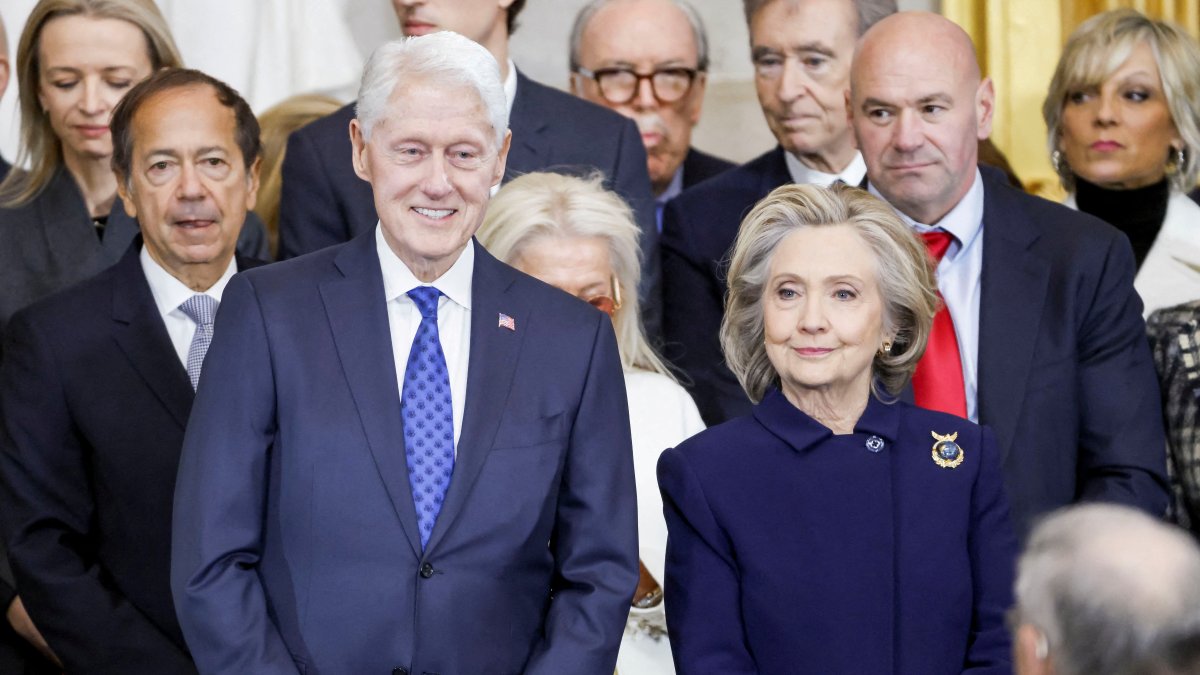
In a significant escalation of congressional scrutiny into the labyrinthine affairs of convicted sex offender Jeffrey Epstein, former President Bill Clinton and former Secretary of State Hillary Clinton have agreed to testify before the House Oversight Committee. This development follows a period of resistance from the prominent political couple, who initially rejected subpoenas compelling their appearance but relented under the explicit threat of being held in contempt of Congress. The closed-door testimonies, slated to be recorded for future public release, mark a pivotal moment in the ongoing, bipartisan quest to unravel the full extent of Epstein’s network, his unexplained wealth, and the individuals who may have facilitated or benefited from his illicit activities.
The decision by the Clintons to comply underscores the seriousness with which the Republican-led House Oversight Committee is pursuing its investigation. Their testimonies are expected to shed light on their associations with Epstein, who died in a New York jail cell in 2019 while awaiting trial on sex trafficking charges. For years, questions have swirled around Epstein's connections to powerful figures, and the Clintons' agreement to testify signals a renewed push by Congress to extract answers and foster transparency.
The Contempt Threat and Congressional Authority
The path to the Clintons' testimony was not without friction. Facing a formal subpoena from the House Oversight Committee, both Bill and Hillary Clinton initially declined to comply. This led to a direct warning from House Republicans that non-compliance would result in a contempt of Congress citation. Such a move carries significant legal and political weight, allowing Congress to enforce its investigative powers through judicial means, potentially leading to fines or even imprisonment for those who defy lawful orders.
The authority to issue subpoenas and hold individuals in contempt is a fundamental power of the legislative branch, essential for its oversight function and for ensuring accountability within government and, in some cases, among private citizens whose actions impact public interest or ongoing investigations. The Clintons' eventual agreement, while averting a direct legal battle over contempt, highlights the formidable nature of congressional subpoenas and the committee's resolve to pursue all relevant avenues in its investigation. The arrangement for closed-door, recorded sessions mirrors previous high-profile congressional testimonies, balancing the need for thorough questioning with privacy considerations before any public release of information.
Broader Congressional Scrutiny: Unpacking Epstein's Network
The Clintons' testimony arrives amidst a broader, intensified congressional examination of Jeffrey Epstein’s financial dealings, associates, and potential co-conspirators. The Epstein Probe Escalates: House Subpoenas Target Les Wexner's Network, as seen in the subpoenas authorized on January 7, 2026, by the U.S. House Committee on Oversight and Accountability. These recent actions specifically targeted Ohio billionaire Les Wexner—a longtime friend and financial client of Epstein—along with Darren Indyke, Epstein's former lawyer, and Richard Kahn, Epstein's accountant and co-executor of his estate. These subpoenas, pushed by Democratic Ranking Member Robert Garcia and garnering bipartisan support, aim to compel testimony on Epstein's finances, associations, and any potential co-conspirators.
The committee's focus extends beyond Epstein himself, seeking to understand how his operations were financed and supported. Les Wexner, founder of L Brands, stands out as one of Epstein's most prominent associates. Epstein served as Wexner's financial manager from the late 1980s, eventually gaining broad power of attorney over billions in assets by 1991. This arrangement, which positioned Epstein as Wexner's sole known client for over a decade, provided him with immense influence and access. Notably, Epstein resided for years in Wexner's lavish 28,000-square-foot Manhattan townhouse before its official transfer to him in 2011 through a company linked to Wexner's holdings. While Wexner later alleged Epstein misappropriated over $46 million from him, the full scope of their financial entanglement remains a subject of intense scrutiny, fueling the House Oversight Targets Epstein's Hidden Wealth and Wexner Ties.
Epstein's Financial Labyrinth and the Quest for Transparency
A critical component of the ongoing *house oversight epstein* investigation revolves around the intricate and often opaque financial structures Epstein employed to manage his vast wealth. His network featured multiple shell companies, trusts, and offshore accounts—entities like Plan D LLC, Maple Inc., and Great St. Jim LLC—which held significant assets such as aircraft and properties. These mechanisms were often routed through international jurisdictions, deliberately complicating transparency and obscuring the origins and flows of tens of millions of dollars.
Investigators believe these financial obfuscations were not merely for tax purposes but potentially served to hide illicit gains, facilitate criminal enterprises, and shield the identities of those involved in his sex trafficking operations. Understanding the intricacies of Epstein's finances is crucial for identifying any individuals who knowingly or unknowingly provided him with the means to operate. The Justice Department has already released over 12,000 pages of related documents, with millions more files under review, underscoring the monumental task of piecing together this complex puzzle. The sustained bipartisan interest in these unresolved aspects highlights a collective determination to ensure justice for Epstein's victims and to hold accountable anyone who aided or abetted his crimes.
The Enduring Quest for Answers and Accountability
Years after Jeffrey Epstein's death, the persistence of the House Oversight Committee in pursuing these investigations speaks volumes about the enduring public demand for answers. The 2019 House Oversight and Reform Committee's initial investigation into Epstein's 2008 non-prosecution agreement and plea deal laid the groundwork for the current intensified scrutiny, highlighting persistent concerns about the lenient terms granted by federal prosecutors in Florida.
The current phase, including the Clintons' testimonies and the subpoenas targeting Epstein's financial facilitators, reflects a commitment to examining every angle of his operations. For citizens, understanding how powerful individuals like Epstein managed to operate with such impunity for so long is vital for restoring faith in legal and financial systems. The practical impact of these investigations extends beyond individual accountability; they can expose systemic vulnerabilities, prompting reforms in financial oversight, child protection, and the handling of high-profile criminal cases. This ongoing congressional effort serves as a powerful reminder that even in cases involving the most influential figures, the pursuit of truth and justice can, and often does, continue for years.
The testimonies of Bill and Hillary Clinton, while conducted behind closed doors, represent a significant step in the House Oversight Committee's comprehensive investigation into Jeffrey Epstein's dark network. Their compliance, spurred by the serious threat of contempt, underscores Congress's unwavering commitment to unraveling the full scope of Epstein's finances, his associations, and the identities of any co-conspirators. As the committee continues to sift through thousands of documents and compel testimony from key figures like Les Wexner, Darren Indyke, and Richard Kahn, the overarching goal remains clear: to bring transparency to an incredibly opaque criminal enterprise and, ultimately, to ensure accountability for the victims and the public. The ongoing saga serves as a stark reminder of the long and arduous road to justice, especially when it involves individuals entrenched in power and privilege.